
No More Illegal Builds on Agricultural Land: Turkey’s New Rules and What They Mean for You
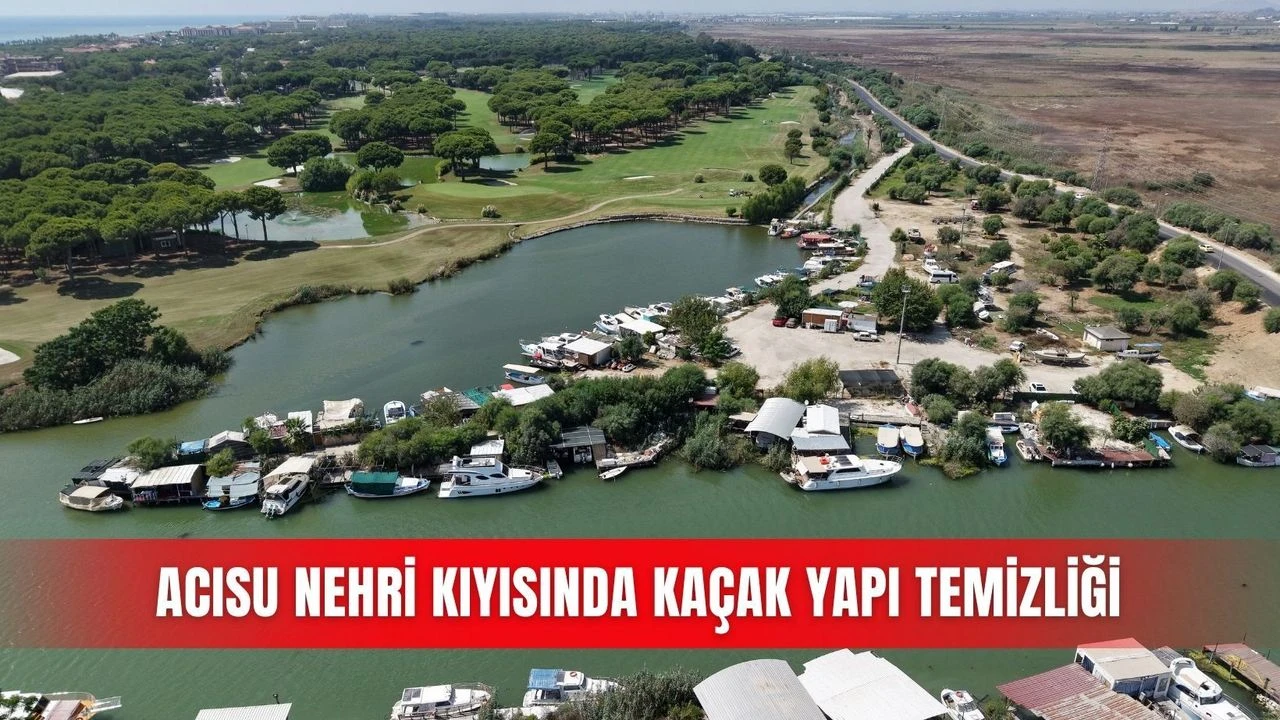
Two stories have been making headlines in Turkey recently, and both shine a spotlight on the same stubborn problem: unauthorised structures on agricultural land and in protected natural areas. Near the Acısu River in Serik (Antalya), almost 300 illegal container homes sit inside a Special Environmental Protection Zone — and demolition orders have now been issued for every one of them. At the same time, the government has officially announced that the era of building bungalows and vineyard houses on farmland is over. Together, these developments represent the most serious crackdown on illegal rural construction Turkey has seen in years.
This article explains the legal process that now awaits owners of unauthorised structures.
1. The New Regulation Published in the Official Gazette
On 4 April 2026, the “Regulation on the Protection and Use of Agricultural Land” was published in the Official Gazette (issue no. 33214) and entered into force immediately. Prepared by the Ministry of Agriculture and Forestry, the regulation overhauls the rules for classifying, protecting and — where strictly necessary — permitting non-agricultural use of farmland, all within the framework of the Soil Conservation and Land Use Act (Law No. 5403).
Key Changes at a Glance
| What Changes | What It Means in Practice |
|---|---|
| Permit requirement | Any vineyard cabin, bungalow or container structure on agricultural land now requires prior approval from the relevant land-use committee. |
| Demolition of unauthorised structures | Unpermitted buildings must be demolished within 1 month; if the local municipality fails to act, the Ministry of Environment, Urbanisation and Climate Change steps in. |
| Demolition costs | All demolition and clearance costs are either deducted from the municipality’s budget or recovered directly from the owner of the illegal structure. |
| Minimum plot size | A vineyard cabin requires a plot of at least 5 dönüm (approx. 5,000 m²). |
| Maximum footprint | No structure with a ground-floor area exceeding 30 m² will be permitted (though a two-storey building on a 30 m² footprint is allowed). |
| One structure per plot | Only one vineyard cabin is allowed per parcel, and a single family may only own one such cabin in the same area. |
In short, the regulation formally closes the door on the “bungalow on the farm” trend that gathered pace in the years following the pandemic.
2. No Structure of Any Kind on Plots Below 990 m²
a) Demolition Orders for Nearly 300 Containers at Acısu
According to reporting by Gazete Oksijen, almost 300 illegal container units have been identified along the banks of the Acısu River in Serik, Antalya — a stretch of land inside the Special Environmental Protection Zone (Özel Çevre Koruma Bölgesi) lying between the tourist resorts of Belek and Boğazkent. A number of these containers have reportedly been converted into two-storey villa-style structures complete with private jetties and boats; because there is no sewage connection, wastewater is said to be discharged directly into the river.
The Provincial Directorate of Environment, Urbanisation and Climate Change has served formal notices on the owners, warning that any structure not removed within the set deadline will be demolished by Serik Municipality in co-ordination with the State Hydraulic Works (DSİ). This is a textbook application of the demolition provisions in the new regulation described above.
b) The End of the Bungalow-on-the-Farm Era
NTV’s reporting on the same regulation confirms the broader picture: bungalows and vineyard cabins on agricultural land will now require committee approval, unpermitted structures will be demolished, and land must be restored to its original condition. Owners of structures under a demolition order have one month to comply; failure to do so will result in a criminal complaint being filed with the prosecutor’s office and the state recovering all demolition costs.
Both stories trace back to the same Official Gazette decision and together signal that Turkey is now actively enforcing the rules against illegal construction on agricultural land and in protected zones across the country.
3. Legal Consequences for Owners of Illegal Structures
Under the new regulation and the broader legal framework, owners of unauthorised structures could face all of the following:
- Administrative fine: Law No. 5403 provides for fines against anyone using agricultural land for a purpose other than farming.
- Recovery of demolition costs: Where the state carries out the demolition, every penny of the associated costs — including clearance and disposal — is billed to the owner.
- Compensation for unlawful use (ecrimisil): Where land under state control has been occupied without permission, the authorities can claim a retrospective use fee going back to the start of the occupation. This is a distinctly Turkish legal mechanism — broadly comparable to a “mesne profits” claim in English law — and the sums involved can be substantial.
- Criminal complaint: If the owner fails to demolish within the deadline, the matter can be referred to the prosecutor’s office as a criminal offence.
4. Comment from Lawyer Sibel Demiral
We asked Lawyer Sibel Demiral for her view on these developments:
“The Regulation on the Protection and Use of Agricultural Land, published in the Official Gazette on 4 April 2026, is a genuinely necessary step towards preserving Turkey’s productive soil. The rapid spread of vineyard cabins and bungalows on farmland — accelerated by the pandemic — has caused serious misuse of agricultural land and significant environmental damage. The permit requirement, minimum plot size and demolition procedure introduced by this regulation should act as a real deterrent against future illegal construction.”
Lawyer Demiral highlights three points in particular:
- Before erecting any structure on agricultural land, you must obtain approval from the relevant committee — no exceptions.
- If you have already received a demolition order and wish to challenge it, you have the right to bring a claim before the administrative courts. Given the tight deadlines involved, getting legal advice as early as possible is essential.
- Because the regulation requires that owners be served with formal notice and given a set period to respond before demolition takes place, it is entirely possible to protect your position by applying within that window — but only if you act promptly.
5. Summary and Practical Advice
The regulation that came into force on 4 April 2026 marks a genuine turning point in the protection of Turkey’s agricultural land and the fight against illegal rural construction. The demolition orders issued for nearly 300 containers at Acısu, Antalya, make clear that this is not just a paper exercise — enforcement is following the rules.
If you own a vineyard cabin, bungalow or container structure on agricultural land, here is what you should do:
- Find out where you stand legally by contacting your local municipality or the relevant provincial governorship.
- If you are considering challenging a demolition order through the administrative courts, speak to a lawyer before the deadline expires — delays can cost you your right of appeal.
- If you are planning a new structure, secure committee approval first and ensure your project meets all the minimum requirements set out in the regulation: a plot of at least 5 dönüm (approx. 5,000 m²), a maximum footprint of 30 m², and only one structure per parcel.
© 2026 | Lawyer Sibel Demiral
This article is for general information purposes only and does not constitute legal advice. Please consult a qualified lawyer regarding your specific situation.