
Turkish Citizenship
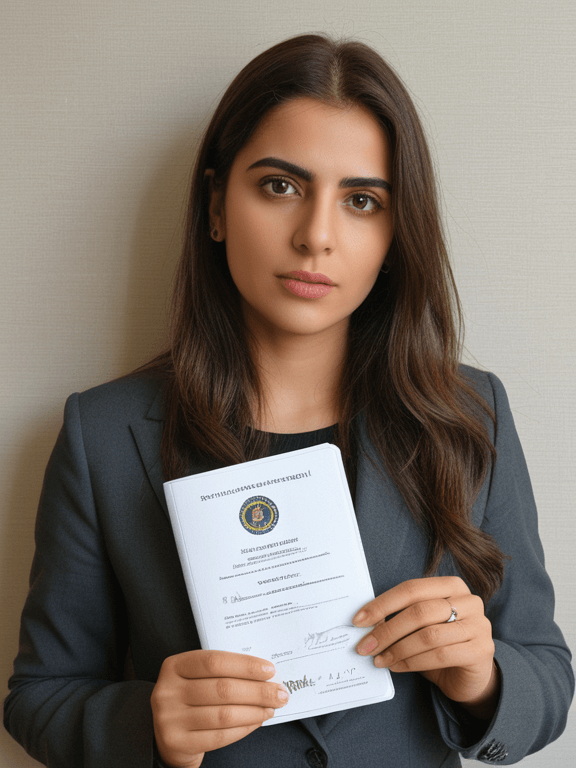
Obtaining Turkish citizenship is one of the most significant legal steps you can take if you want to build a real, lasting connection with Turkey. Whether you qualify through naturalisation, investment, or by birthright, the path to Turkish nationality involves meeting clear eligibility requirements, working through a formal application process, and understanding exactly what citizenship gives you. This guide walks you through the key areas: who qualifies, how to apply, the different routes available, your rights once you’re a citizen, dual nationality rules, common pitfalls to watch out for, and the latest changes to Turkish nationality law (Türk Vatandaşlığı Kanunu). 1. Eligibility Requirements for Turkish Citizenship 1.1 Age and Residency Requirements As a general rule, you must be at least 18 years old and have lived in Turkey continuously for a specified period — typically five years — before you can apply through the standard naturalisation route. The key word is continuously: lengthy absences can reset the clock, so it pays to keep an eye on your entry and exit dates. 1.2 Financial Criteria and Investment Options If you would rather not wait five years, Turkey offers an accelerated route through investment. Options include purchasing real estate worth at least $400,000 USD, making a fixed capital investment of at least $500,000 USD, or depositing at least $500,000 USD in a Turkish bank for a minimum of three years, among other qualifying routes. These thresholds were significantly raised in 2022, so always check the current figures before committing.
Read more: Turkish Citizenship2. Application Process for Obtaining Turkish Citizenship 2.1 Required Documentation The paperwork side of things is substantial, so it is worth getting organised early. You will typically need: a valid passport, birth certificate (apostilled and officially translated into Turkish), proof of your Turkish residence permit (ikamet izni), evidence of financial means, a clean criminal record certificate from your home country, health insurance, and — for most naturalisation routes — proof of Turkish language proficiency. If you are applying via investment, you will also need supporting documents from the relevant authority confirming the investment meets the legal requirements. 2.2 Submission Procedures and Timelines Applications are submitted to the Provincial Directorate of Civil Registration and Citizenship (Nüfus ve Vatandaşlık İşleri Müdürlüğü) or, for investment-based applications, coordinated through the relevant ministry. Processing times vary: standard naturalisation applications can take anywhere from six months to well over a year, while investment-based applications are often processed faster — sometimes within three to six months — though this is never guaranteed. Once approved, you will be issued a Turkish national identity card and passport. 3. Types of Turkish Citizenship: Naturalisation vs. Birthright 3.1 Naturalisation Process and Criteria Naturalisation (귀화) is the most common route for foreigners. To qualify under the standard route, you need five years of uninterrupted legal residence in Turkey, intention to settle permanently, good character (no serious criminal convictions), Turkish language ability at a sufficient level, and the means to support yourself financially. There are also simplified routes for spouses of Turkish citizens and for stateless persons. 3.2 Birthright Citizenship and Eligibility Turkey follows the principle of jus sanguinis — citizenship by descent — rather than jus soli (citizenship by birth on Turkish soil). In practice, this means that if at least one of your parents is a Turkish citizen, you are automatically a Turkish citizen from birth, regardless of where you were born. Being born on Turkish soil to two foreign parents does not automatically grant citizenship, which is an important distinction compared to countries like the United States. 4. Benefits and Rights of Turkish Citizenship 4.1 Access to Social Services and Healthcare As a Turkish citizen, you are entitled to register with the national social security system (SGK — Sosyal Güvenlik Kurumu), which gives you access to public healthcare, state pension entitlements, and a range of social support services. You can also access public education on the same terms as any other citizen. 4.2 Voting Rights and Political Participation Turkish citizens have the right to vote in all national and local elections and referendums, and to stand for public office (subject to certain conditions). This is one of the most meaningful distinctions between citizenship and even long-term residence: as a citizen, you have a direct say in how the country is run. 5. Dual Citizenship and Turkish Nationality Law 5.1 Regulations on Dual Citizenship Turkey permits dual nationality. The Turkish Nationality Act (Türk Vatandaşlığı Kanunu — TVK) does not require you to renounce your existing citizenship when you acquire Turkish nationality, and Turkish citizens who naturalise abroad are generally allowed to retain their Turkish passport. That said, your other country’s rules on dual nationality are equally important — some countries (Germany historically, for example) place restrictions on their nationals holding a second citizenship, so you must check the position in your home country before proceeding. 5.2 Implications for Turkish Nationals Holding Multiple Citizenships Holding two or more citizenships brings practical questions. On tax: Turkey taxes its citizens on worldwide income if they are resident in Turkey, and you may also have reporting obligations in your other country of citizenship (US citizens, for instance, face FBAR and FATCA obligations regardless of where they live). On military service: Turkish male citizens are subject to conscription requirements under Turkish law, irrespective of any other nationality they hold. These are not insurmountable issues, but they need careful planning — ideally with specialist legal and tax advice in both jurisdictions. 6. Common Challenges and Pitfalls in Obtaining Turkish Citizenship 6.1 Language Proficiency Requirements For the standard naturalisation route, you must demonstrate a working knowledge of Turkish. There is no single standardised test that all applicants must pass, but authorities expect you to be able to hold a basic conversation and understand everyday Turkish. For many applicants — particularly those from non-Romance language backgrounds — this is a genuine obstacle. The good news is that consistent study over your five-year residence period is usually sufficient; you do not need to reach an advanced level. 6.2 Background Checks and Security Clearances The Turkish authorities carry out thorough background checks on all citizenship applicants. This includes a review of your criminal record (both in Turkey and, where accessible, in your country of origin), your financial history, and your general conduct during your time in Turkey. Any serious criminal convictions — particularly offences involving dishonesty, violence, or national security — are likely to result in refusal. Even minor issues can cause delays, so it is worth being transparent and ensuring all information you provide is accurate and consistent across documents. 7. Recent Changes and Updates in Turkish Citizenship Laws 7.1 Amendments in Citizenship Legislation Turkish citizenship law has seen several notable changes in recent years. The most significant for foreign investors was the sharp increase in the minimum investment thresholds in May 2022 — the real estate minimum, for example, rose from $250,000 to $400,000 USD. Legislative changes are made by presidential decree and can take effect quickly, so the rules you read about today may not be the rules that apply when you submit your application. Always verify the current requirements with a qualified Turkish lawyer before making any financial commitment. 7.2 Impact on Citizenship Application Process Beyond investment thresholds, recent years have seen the authorities tighten document verification procedures and increase scrutiny of investment-based applications — particularly for real estate, following concerns about inflated valuations. On the positive side, certain administrative processes have been streamlined and, in some cases, digitalised. The net effect is that applications that are well-prepared and properly documented tend to move faster, while incomplete or questionable applications face longer delays and a higher risk of refusal. Obtaining Turkish citizenship is a meaningful and consequential step — not just a bureaucratic milestone. It gives you a genuine stake in Turkey: the right to live, work, vote, and access public services on the same footing as any Turkish national. Whether you take the investment route or the long road through five years of residence, the key is careful preparation: understand the rules that apply to you specifically, get your documents in order early, and take qualified legal advice before you start. The process is manageable — and for many people, well worth the effort.

FAQs
1. Can I hold dual citizenship as a Turkish citizen?
2. What are the language proficiency requirements for obtaining Turkish citizenship?
3. Are there any special benefits or privileges for Turkish citizens compared to residents or non-citizens?
4. How long does the process of obtaining Turkish citizenship typically take from application to approval?
Yes — Turkey permits dual nationality. The Turkish Nationality Act (TVK) does not require you to give up your existing citizenship when you acquire Turkish nationality. However, you must also check the rules of your own country: some states do not permit their nationals to hold a second citizenship, or impose conditions on doing so. If you are a US citizen, for instance, you can generally hold Turkish citizenship alongside your US passport without issue. If you are German, the position has historically been more complicated (Germany has been gradually liberalising its dual nationality rules, but you should take specific advice). The short answer: Turkey’s side of the equation is straightforward — your home country’s rules are the variable to watch.
For the standard five-year naturalisation route, you are expected to demonstrate a functional level of Turkish — enough to hold a basic conversation and understand everyday communication. There is no single mandatory standardised exam equivalent to, say, the UK’s Life in the UK test or Germany’s Einbürgerungstest, but authorities may conduct an informal interview to assess your language ability. For investment-based citizenship applications, the language requirement is applied more flexibly in practice, though it remains a formal condition under Turkish law. If language is a concern, starting Turkish lessons early in your residence period is by far the most practical approach.
Yes — Turkish citizenship carries meaningful advantages over long-term residence. Citizens can vote in all elections and referendums; permanent residents cannot. Citizens have unconditional rights to live and work in Turkey without any permit requirements or renewal fees. Citizens can access public healthcare through SGK (the national social security system) and are entitled to state pension rights on the same basis as any Turkish national. Citizens can also hold a Turkish passport, which currently provides visa-free or visa-on-arrival access to a significant number of countries. In short, citizenship gives you certainty and stability that even a long-term residence permit cannot fully replicate.
Processing times vary depending on the route you take. For investment-based applications, the process can be completed in as little as three to six months once all documents are correctly submitted — though delays are common and timelines are not guaranteed. For standard naturalisation (the five-year residence route), the review process after submission typically takes between six and eighteen months, sometimes longer if additional checks are required. Bear in mind that the five-year residency period itself must be completed before you even submit your application, so the overall timeline from arrival in Turkey to citizenship approval is at minimum five years on the standard route. Engaging a qualified Turkish lawyer to prepare and submit your file correctly from the outset is the single most effective way to avoid unnecessary delays.